Fence Companies Melbourne: Tips to Maintain Your Fencing
A surround Melbourne does more than mark boundaries. It obstructs wind that appears to find from everywhere, it manages summertime warmth and wet winters months, and it sits there taking hits from yard life, bikes, soccer balls, garden clippings, and the occasional wayward lawn mower. If you have a lumber, colorbond, paling, or block fence, maintenance is the distinction in between "it still looks respectable" and "we avoided a full substitute."
I've assisted home owners repair everything from drooping entrances to messages that were quietly decomposing from the inside out. The pattern is normally the very same: little problems show up long before they end up being expensive. The trick is understanding what to look for, and keeping a straightforward regimen that fits your residential property instead of fighting it.
Why Melbourne climate makes fences stop working in foreseeable ways
Melbourne's climate swings are difficult on exterior products. You get heavy rainfall stretches, after that drying periods, then more rain. That wet completely dry cycle drives motion in timber, lifts layers, and motivates rust where water can rest. Also colorbond and steel parts can break down quicker if water is trapped in holes, if correctings are corroding, or if vegetation rubs and holds dampness against the surface.
For lumber fences, the largest opponent is not just rainfall, it is moisture remaining around joints and at article bases. For metal fencings, it is a mix of trapped water, salt air if you are closer to the coast, and coating damage from effects. For both, the "unseen" components matter most: all-time lows of blog posts, the hinges on gateways, the leading rails, and the places where dirt collects.
If you've ever watched a fence "really feel great" however notice a minor wobble after rainfall, you're already seeing how moisture adjustments points. Wood expands and contracts, dirt changes a bit, and rusted repairings lose their grip. Catch it early, and repairs are normally uncomplicated. Leave it also long, and you begin changing blog posts or redoing sections.
Start with a fast fencing study, not a full makeover
Most maintenance falls short since people jump directly into painting, restaining, or power cleaning prior to they recognize what is really taking place. A fast study normally conserves time and money.
Walk the fence line with a simple objective: discover the places where water can collect, where parts are massaging, and where movement has actually started. If you can just focus on one area, start on top edges and blog post bases. Those are the starting points where problems announce themselves.
Look for:
- Soft wood or darker, damp patches near the ground line
- Rust freckles on metal, specifically around screws, staples, and braces
- Gaps that broadened with time, or boards that lean parallel
- Gate pivots that look dry, misaligned, or are starting to sag
- Vegetation that presses against the fencing and keeps surfaces damp
You do not need to measure anything yet. You simply need a map of where the fence is aging fastest.
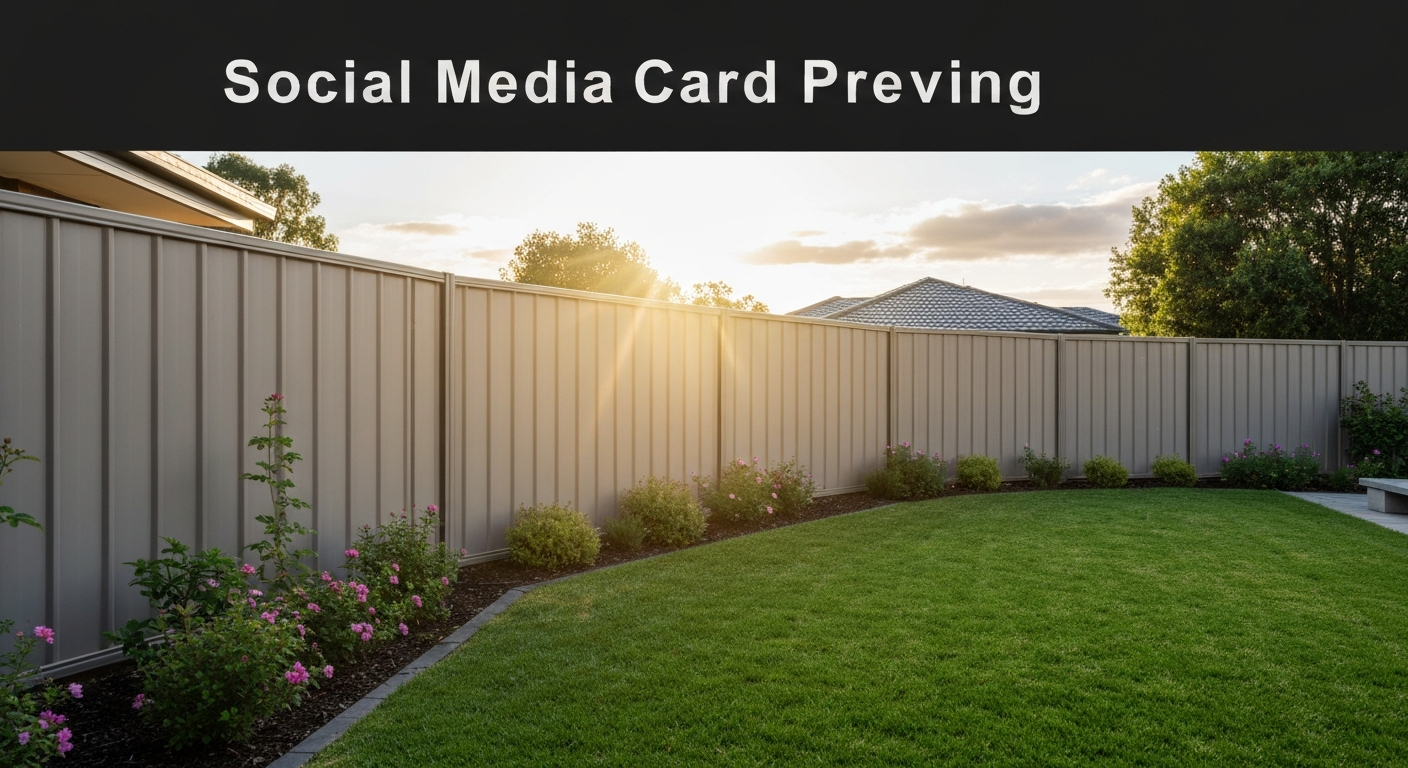
The maintenance routine that actually fits genuine life
If you desire a fence that lasts, you do not need constant work. You require periodic focus and sensible housekeeping. I like to consider upkeep in two layers: light checks you can do on your own, and expert interventions for anything architectural or safety and security related.
A sensible check routine (easy and realistic)
Many surround Melbourne do well with a light check a couple of times a year, after that a somewhat much deeper clean and examination after the damp months. The precise timing relies on your direct exposure, trees close by, and exactly how usually youngsters and pet dogs "test" the fence.
Here is a regular you can adjust:
- Autumn (after the worst of summertime heat): quick check for loosened mendings, splits in hardwood, and early corrosion
- Winter or late winter months: evaluate post bases and try to find swelling or soft areas after heavy rain
- Spring: clear leaves and debris, wash pollen and crud where it develops, inspect entrances
- After any kind of influence: deal with damaged areas promptly instead of awaiting the "next season"
Now, if your fence is near coastal air, under great deals of shade, or surrounded by huge trees, you might require much more regular attention. Shade reduces drying, dropped leaves hold dampness, and tree roots can influence soil stability around posts. On the various other hand, if your fencing remains in an extremely open area with excellent air flow and no looming branches, you can often stretch the interval.
What to do when you spot early issues
A fencing does not normally "damage" over night. It begins with a weak spot. Fixing the weak spot early protects against the domino effect that follows.
Common troubles and what they mean
Sagging entrance or leaning section typically points to pivot wear, article motion, or repairings that have actually loosened up. If you tighten up equipment and the problem returns after the following rainfall, the article and its anchoring are possibly the actual issue.
Rust on steel messages and rails generally starts where layers are cracked or where water can sit. Surface rust can occasionally be dealt with, yet if the rust has actually spread out around dealings with, the bolts may be jeopardized. In that situation, covering the visible location can conceal a much deeper problem.
Soft timber at the base is an alarm system bell. It is tough to save a blog post that has begun decomposing listed below the dirt line or within a post's reduced area where wetness rests. Often you can stabilise an area momentarily, but the long-lasting fix is typically post substitute or a much deeper repair.
Loose boards in fading fences can mean that screws or nails fell short, the wood shrank, or the frame behind it has actually moved. Tightening one board might benefit a while, but if numerous boards are wandering, the frame needs attention.
I have actually seen a lot of fences where somebody replaced one paling board and called it done, only to enjoy the next few boards follow the very same course since the trouble was the rail placement or the article movement.
Cleaning without damaging your fence
Cleaning works, but it can additionally cause harm if you do it the upside-down. Power cleaning is the traditional error. The goal is to remove crud and biological development without forcing water right into joints or stripping layers greater than necessary.
For most fences, begin with gentle approaches:
- Brush off loosened dust and leaves first.
- Use a tube with an affordable stress, then place tidy with appropriate cleaner for the material.
Timber fencings: prevent aggressive blasting that can open the grain and leave the timber much more prone. If you're dealing with mould or mold, pick a cleaner created for outside wood and adhere to the label directions. If you do not have the best product, it is far better to tidy lightly and intend a proper therapy than to keep experimenting.
Metal fencings: gunk and algae can trap dampness. A modest clean aids, however focus on maintaining finishes undamaged. If you see flaking paint or cracked covering, clean around the area and prepare a repair service treatment. Once steel coatings are compromised, the corrosion cycle starts gaining speed.
When to repaint, tarnish, or treat timber
Timber upkeep is not almost looks. It is about slowing wetness entry. If you deal with far too late, the timber can come to be so saturated that finishes battle to bond correctly. If you deal with too early, before cleaning and preparing properly, you can end up with patchy bond and irregular colour.
An usual error is attempting to tarnish over unclean, moist hardwood. An additional is ignoring the message bases. The part you can see is not constantly the component that is failing.
If your hardwood fence is weathered however not rotting, you may have the ability to recover it with cleansing and reapplication of an appropriate layer. If your fence has dark, soft locations near the ground, presume you're handling deeper moisture damages. In that circumstance, you may still layer the surface, however you will likely require repair services to the impacted boards or posts to stop the problem from proceeding underneath.
An excellent regulation is to treat what is healthy, fix what is falling short, and afterwards coat after preparation. Trying to coat over structural issues is like putting paint on a leak. It may look fine briefly, yet the water discovers its way back.
Metal fencings, finishings, and corrosion: the small work that matter
For metal fences, maintenance often implies dealing with layer damage early. A minor chip from a lawn mower, a scuff from a wheelbarrow, or effect from a garden tool can develop a little breach. That violation can end up being a corrosion spot, and corrosion spreads outside and inward.
When you find a corrosion area:
- Clean it and get rid of loose product around the area.
- Assess whether it is simply surface rust or rust around fasteners.
- Use a repair service approach proper to the fencing finish.
If the rust is small and the mendings are undamaged, repair work can be relatively contained. If the corrosion is around screws, braces, or along seams where water accumulates, it may be wiser to contact a professional instead of keep redesigning spots. Steel can look stable also when bolts have actually shed strength.
Also, be careful with repainting. A spot must work with the existing layer system. If you use an inappropriate paint or apply it over oily residue, attachment can fall short and you'll wind up with peeling, which then develops even more locations for water to slip in.
Fence articles: the part you can not see that requires the most attention
If there is one area I want more people inspected, it is post bases. Dirt changes with weather, and water swimming pools near the fencing line during heavy rain. Gradually, that moisture can endanger lumber messages, and it can corrode metal fixings too.
When you inspect blog post bases, seek:
- Ground degree that has actually increased versus the fencing, lowering drainage
- Soil erosion that exposes even more of the post than before
- Cracks in render or bordering areas if you have block or concrete elements
- Dark, moist timber or peeling coatings near the bottom
If you need to do any kind of repairs around the base, plan it meticulously. Lifting areas without supporting them can intensify motion. For hardwood fences, it may be alluring to "straighten it" and put a few added screws in. That can function if the concern is minor. If the article is compromised, you're basically tightening up a framework that is sinking.
Sometimes the right decision is not repair, it is substitute of the impacted messages and a section rebuild. That is where fence companies Melbourne can aid, specifically if you want the work carried out in a way that represent dirt conditions, drain, and appropriate bracing.
Gates are their very own upkeep category
Gates experience duplicated stress and anxiety. They turn on joints, capture wind, and in some cases obtain bumped by wheelbarrows or pressed by youngsters that do not understand just how much pressure they're placing on the frame.
A gate that begins to drag normally signals one of 3 points:
- Hinge wear or absence of lubrication
- Frame positioning shifting because of article movement
- Hardware loosening, generally from vibration and moisture
Simple maintenance like cleaning hinge areas and applying ideal lubricant can purchase time. But if the gate frame runs out square, lubrication will not address it long-term. If the hinges are placing into a hardwood post that is failing, you can oil forever and still wind up with a gateway that sags.
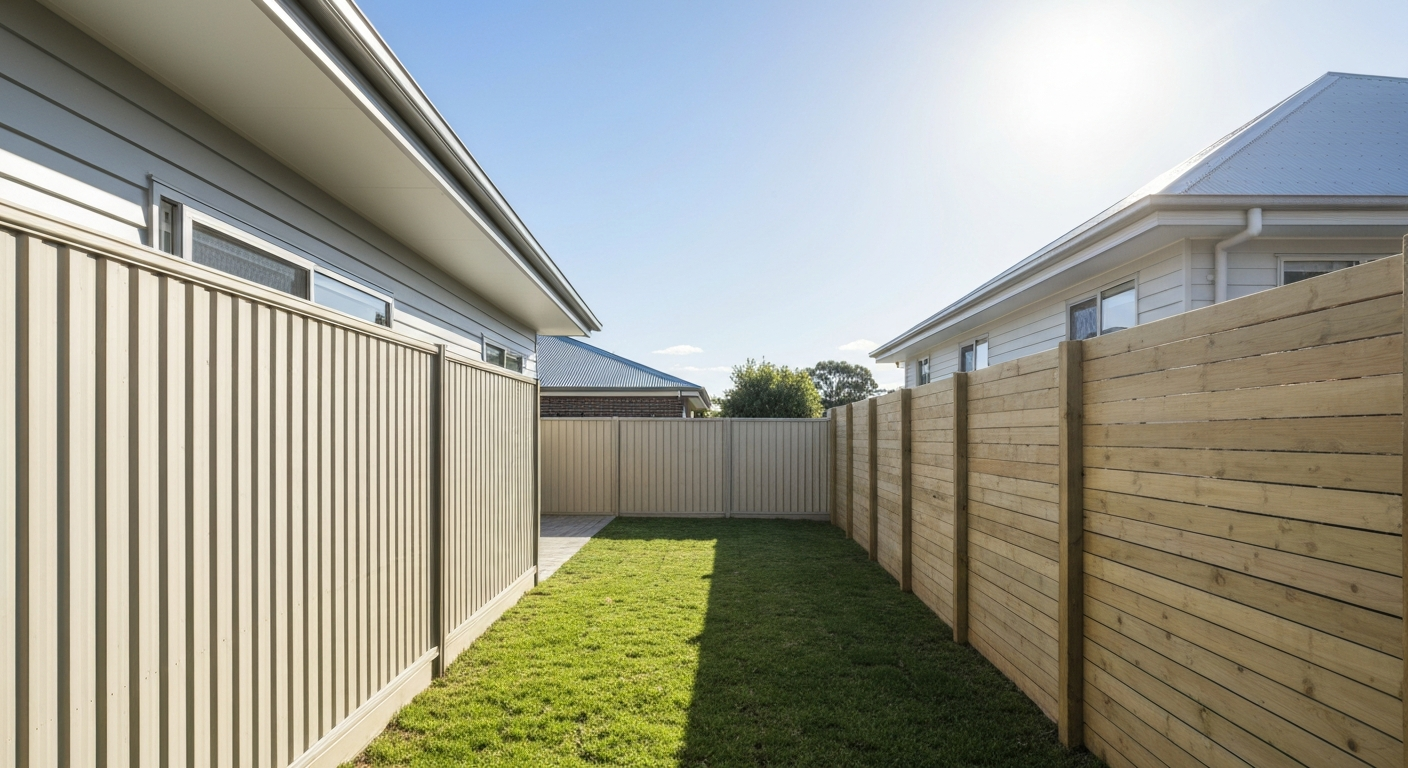
If you have an automated gateway or a much heavier gate with more lots, repairs must be planned with safety in mind. Misaligned entrances can strain electric motors and drivers, and a failing joint can go down eviction when you the very least expect it.
A short do it yourself checklist you can do in 20 minutes
If you desire an upkeep behavior that does not really feel like research, do this quick assessment. It aids you catch adjustments early, before you observe them only after a neighbour whines or a board lastly falls off.
- Walk the fence line and seek brand-new spaces, leaning boards, or rust places
- Press lightly on a couple of rails and boards to see if anything really feels loosened
- Check hinges and lock alignment on every gate, including how they sit after rain
- Inspect the blog post bases where the fence meets the ground for soft qualities, peeling off, or corrosion
- Clear leaves and debris from fence lines, especially where water lingers
Do it, and you'll begin identifying "normal aging" versus "something is actively stopping working."
When to call fence companies Melbourne as opposed to DIY
DIY is great for small solutions, aesthetic touch-ups, and regular checks. But some fencing issues are unworthy guessing at, especially when safety, structural security, or right matching of products ends up being important.
You ought to think about working with fence companies Melbourne when:
- Multiple posts have moved, or an area leans continually after rain
- You suspicious rot below ground level or inner architectural lumber failure
- Metal corrosion entails correctings, brackets, or joints where water traps
- Repairs call for elimination and replacement of a substantial area
- You want the fence repaired in a manner that mixes with existing products and finishes
The compromise is cost versus assurance. A proficient fence professional can often detect origin faster than trial-and-error in your home. The savings come from not continuously patching the incorrect issue.
One sensible note, if you do employ someone: inquire about exactly how they'll take care of water drainage and post stability. The very best outcomes are normally the ones where the job deals with the cause, not just the symptom.
Materials matter: lumber, colorbond, paling, and blended fences
Your maintenance strategy must match what your fence is made of.
Timber paling and board fencings: focus on finish cycles, dampness barriers, and blog post integrity. Maintain greenery off the fencing face so air can dry out the surface. Plan fixings prior to significant rot spreads.
Colorbond and steel fences: focus on layer damage, rust areas around correctings, and maintaining the fencing line clear of debris that holds water. Greenery that grows into steel fences can scrape coatings.
Mixed fencings (for example, steel posts with wood rails): these demand mixed reasoning. Wood retains wetness in a different way than metal, so a finish and fixing approach needs to appreciate both materials. Repair services that secure the timber but leave metal correctings revealed can still bring about corrosion.
Brick or made fencings: the upkeep often ends up being concerning fractures, water courses, and minor repair services around joints and caps. Plants and water run-off can drive wear and tear in details areas.
If your fencing has ornamental caps, latticework areas, or planter add-ons, those include intricacy. Water obtains caught behind them, and small failings in those areas can spread out into bigger problems.
The concealed offender: landscaping and water flow
A fencing can look ignored, however commonly the problem is how water moves via your yard. If downpipes discharge near the fencing line, if sprinklers spray the fencing continually, or if the ground slopes toward the fence instead of far from it, you can develop a continuous damp band along the posts.
I have actually seen fences that were great till a new yard bed entered. The dirt modifications increased ground level against the fencing and minimized water drainage. That a person change can be the factor a wood blog post begins softening over a few seasons.
So if you're doing any landscape design near your fencing, think of:
- whether water is being redirected towards the fence
- whether compost is piled too high versus posts
- whether brand-new growing produces color and humidity buildup
Sometimes the most effective "upkeep" is not a repair work at all, it is a drainage correction or a straightforward practice change, like readjusting sprinklers.
Keeping your fence looking good, not simply functioning
A well-maintained fencing is generally both durable and nice. The moment you begin treating it only as a structural component, it can wind up looking uneven Website link or mismatched. The most effective outcomes come from lining up repair work with aesthetics.
For timber, that suggests cleansing appropriately before covering, and selecting a coating that matches your fencing type and previous item. For steel, it implies addressing finish damages early so you can preserve regular colour and sheen.
If you're preparing a lot more noticeable modifications, it can aid to schedule them seasonally. Doing a full fencing rejuvenate right after a major damp period can leave coverings antagonizing recurring moisture. Waiting until the fence is steady and dry usually produces a far better finish and less repeat jobs.
A few real-world situations I've seen
One property owner noticed their fence was "great" yet kept obtaining rust flakes after rainfall. They tried painting over the location. The rust returned in the very same area because the covering had been damaged at a screw head degree, and water was gathering around that joint. The repair was a correct removal of jeopardized hardware, therapy of the corroded location, and replacement or right securing of the installations. Afterwards, the fencing remained stable.
Another instance included a wood fencing that looked acceptable above ground, but the blog post bases really felt spongey when pressed. The visible boards were not decomposing yet, so the proprietor believed the concern was small. The actual issue was hidden rot at the base, driven by moisture pooling. Changing the posts and boosting drain fixed it. Coating the visible boards alone would certainly have held off the inevitable.
These situations are why I keep saying the very same thing: upkeep is most effective when you chase the root cause instead of the symptom.
Final thought, however not a wrap-up
Fence maintenance in Melbourne is about timing, observation, and picking repairs that match the real issue. If you develop a little routine, treat finish damage quickly, and keep moisture from remaining around articles and gateways, your fencing will reward you for years.
And if you struck a point where the concern looks architectural, entails covert wood rot, or calls for the appropriate material matching, it is worth leaning on fence companies Melbourne. You spend for certainty, and you prevent the cycle of patching the incorrect spot.
If you desire, tell me what your fencing is made of, roughly how old it is, and what symptom you are seeing (sagging, rust, rot, loose boards, fence voids). I can recommend a maintenance strategy customized to that specific situation.